
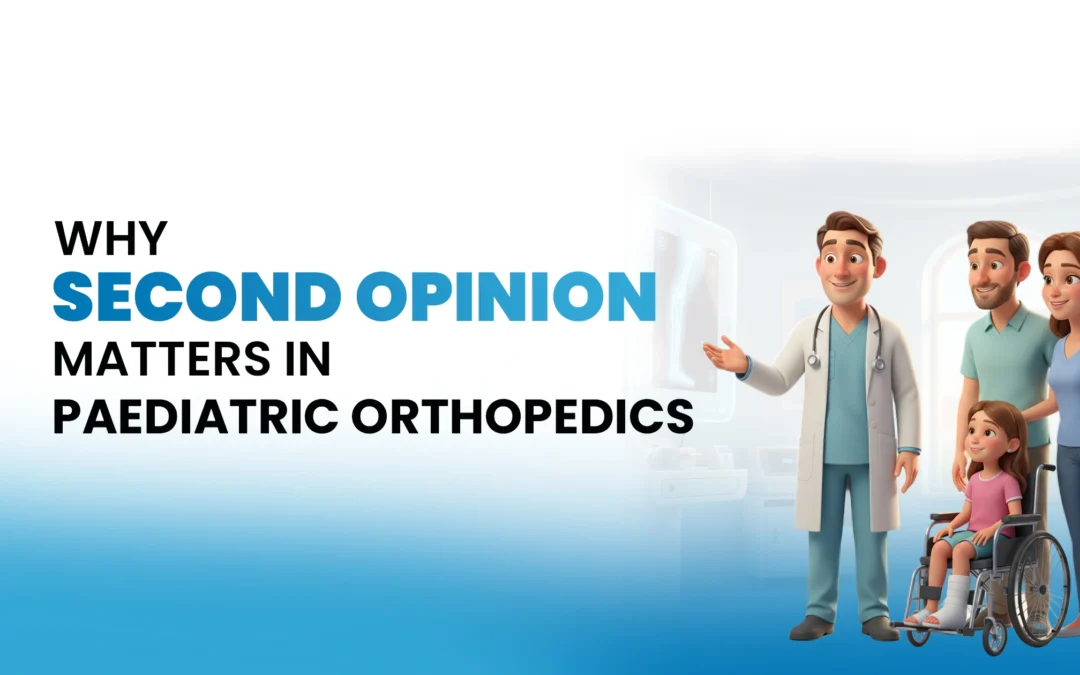
When a child is diagnosed with an orthopedic condition, parents are often flooded with emotions—concern, fear, confusion, and an urgent need to “do something quickly.” In that moment, the advice they receive can shape not just treatment, but the child’s long-term growth, mobility, and independence.
This is precisely why second opinions are not a luxury in paediatric orthopedics—they are a responsibility.
According to Dr. Vishal Chandak, one of the most trusted paediatric orthopedic surgeons in Marathwada, seeking a second opinion helps parents move from panic-driven decisions to well-informed, growth-focused choices.
Paediatric Orthopedics Is Not the Same as Adult Orthopedics
One of the biggest misunderstandings parents have is assuming that bone problems in children can be treated the same way as in adults.
In reality:
- Children’s bones are still growing
- Growth plates (physes) are active and vulnerable
- Timing of treatment is as important as the treatment itself
- Overcorrection or early surgery can cause lifelong problems
A second opinion ensures that:
- Growth is protected
- Treatment is age-appropriate
- Long-term outcomes are prioritised over quick fixes
Situations Where a Second Opinion Is Especially Important
Parents should strongly consider a second opinion if:
- Surgery is advised very quickly, without discussing alternatives
- There is no explanation of how treatment may affect future growth
- Different doctors give completely different treatment plans
- The condition is complex or rare
- Parents feel confused, rushed, or unsure
Common paediatric orthopedic conditions where second opinions add clarity include:
- Clubfoot (CTEV)
- Limb deformities (bow legs, knock knees)
- Growth plate injuries
- Paediatric fractures
- Cerebral palsy-related orthopedic issues
- Limb length discrepancies
What a Second Opinion Really Does (And Does NOT Do)
What it DOES:
- Confirms or questions the diagnosis
- Offers alternative treatment approaches
- Helps parents understand why a procedure is recommended
- Explains risks, benefits, and long-term impact
- Builds confidence in the final decision
What it does NOT:
- Delay treatment unnecessarily
- Show lack of trust in the first doctor
- Automatically mean surgery will be avoided
- Create confusion if done with the right specialist
In fact, many surgeons welcome second opinions—because the goal is the child’s well-being, not ownership of a case.
Why Second Opinions Matter More for Children Than Adults
Children live with the consequences of treatment decisions for decades.
A decision made at age 3 or 5 can impact:
- Height and limb alignment
- Walking pattern and posture
- Sports participation
- Self-confidence
- Need for repeat surgeries later in life
A second opinion acts as a safety checkpoint before committing to an irreversible step.
What Parents Should Ask During a Second Opinion
Parents should feel comfortable asking questions like:
- Is surgery the only option right now?
- Can this condition improve with observation or physiotherapy?
- What happens if we wait for some time?
- How will this affect my child’s growth?
- Are there non-surgical or minimally invasive options?
- What are the long-term outcomes of this treatment?
A good paediatric orthopedic surgeon will answer patiently, not defensively.
Why Specialist Opinions Matter More Than General Advice
Phone calls, online messages, or quick consultations often miss critical details:
- Child’s gait
- Limb alignment
- Muscle balance
- Joint movement
- Growth patterns over time
Paediatric orthopedic assessment requires:
- Physical examination
- Growth evaluation
- X-ray interpretation in the context of age
- Understanding of future growth potential
This is why in-person evaluation by a paediatric orthopedic specialist is essential, especially before making surgical decisions.
A Balanced Truth Parents Should Know
Sometimes, a second opinion confirms:
- Surgery is required
- Timing is critical
- Delay may worsen the condition
In such cases, the second opinion doesn’t change the plan—it strengthens confidence in it.
A Message for Parents in Marathwada
Over the years, paediatric orthopedic care in Marathwada has advanced significantly. Parents no longer need to travel long distances just to understand their child’s condition.
What matters most is choosing:
- The right specialist
- The right timing
- The right approach
And that often begins with asking for clarity, not rushing into action.
Final Thought
Second opinions in paediatric orthopedics are not about doubt—they are about doing justice to a growing child’s future.
When parents take that extra step to understand, question, and evaluate, they are not delaying care—they are strengthening it.